Skin Quality Is the Real Goal: A Guide to Skin Boosters, Mesotherapy, and Microchanneling
Not every skin concern is a wrinkle. Here is how skin boosters, mesotherapy, and microchanneling improve texture, tone, hydration, and glow without changing your face.
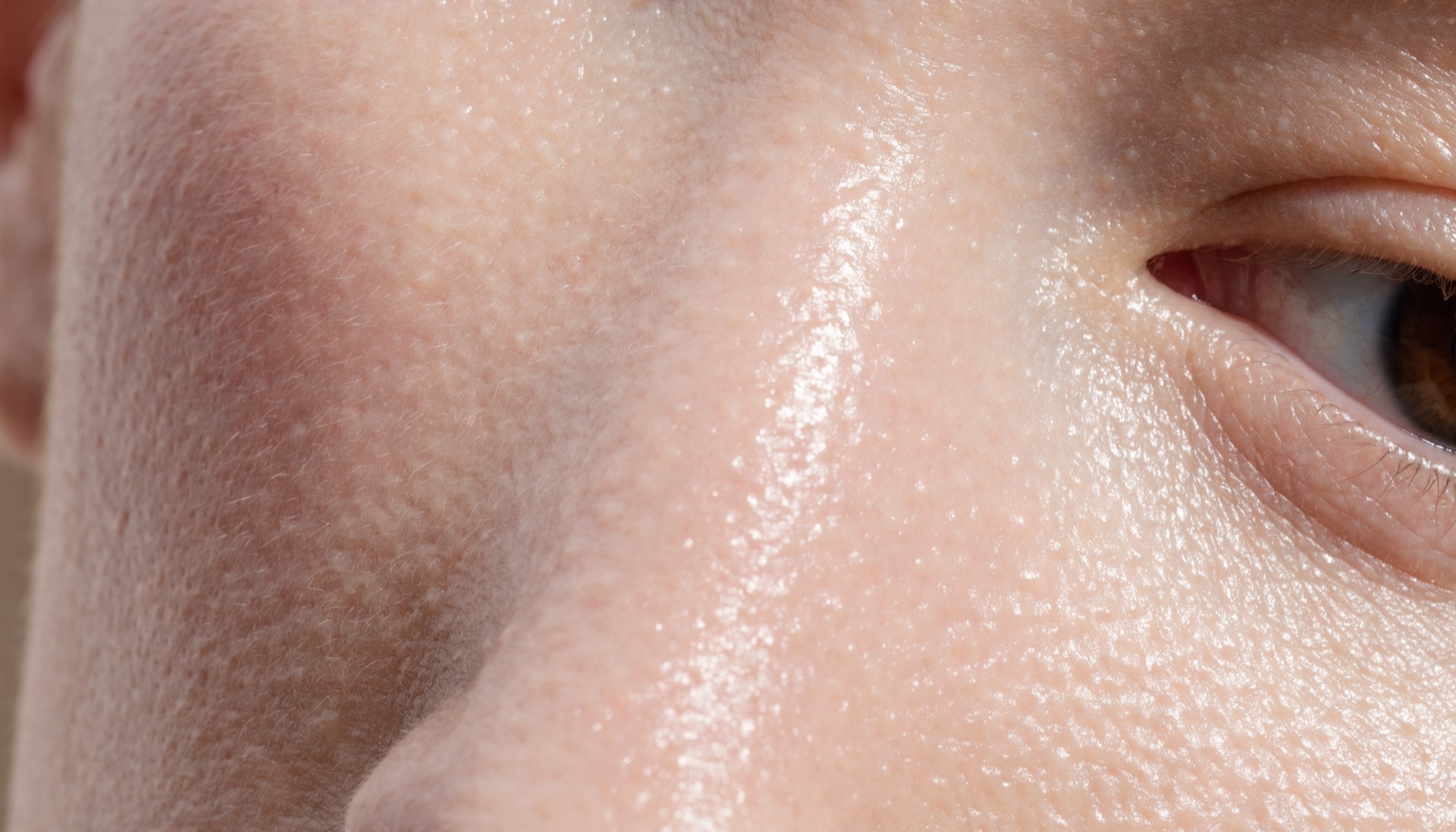
Here is something worth noticing. When people describe skin they admire, they almost never mention wrinkles. They say it looks fresh. Even. Bright. Like it is lit from underneath.
None of those words describe lines. They describe skin quality, which is a combination of texture, tone, hydration, pore appearance, and how light reflects off the surface. And it turns out skin quality is what most people are actually chasing when they book a treatment, even when they walk in asking about wrinkles.
This has become the dominant theme in aesthetics. Patients now value skin quality as much as line reduction, and the treatments built around it have grown accordingly. This guide covers the category most people know least about.
What Skin Quality Actually Means
Break it into pieces and it becomes much easier to treat.
Texture is how the surface feels and how light scatters across it. Rough texture reads as dull no matter how good your makeup is.
Tone is evenness of color. Redness, brown patches, and sallowness all disrupt it.
Hydration is water content in the upper layers. Dehydrated skin looks flat and shows every fine line more than it should.
Firmness and bounce come from collagen and elastin density in the dermis.
Pore appearance is largely a function of oil production and how well-supported the skin around each pore is.
A wrinkle treatment addresses none of these directly. That is why someone can get injectables and still look tired.
The Core Idea Behind Skin Boosters
Traditional skincare works from the outside in, and the skin barrier is very good at its job of keeping things out. Most active ingredients penetrate far less than the marketing suggests.
Skin boosters solve this by delivering nutrients past the barrier. Instead of hoping a serum absorbs, the product is placed into or just beneath the outer layers where it can actually do something.
That is the whole category. The differences between treatments come down to how the delivery happens and how deep it goes.
Mesotherapy for the Face
Mesotherapy uses a series of very shallow microinjections to deposit a customized cocktail into the upper dermis. Formulations vary but commonly include hyaluronic acid for hydration, vitamins, amino acids, minerals, and antioxidants.
Because the hyaluronic acid used is not cross-linked the way filler is, it does not create volume or change your shape. It hydrates from within and improves how the skin behaves. Skin tends to look plumper, more even, and noticeably more reflective.
Mesotherapy suits people whose skin looks dull, dehydrated, or thin, and people in their thirties and forties who do not need structural correction yet but can tell something has shifted. It is typically done as a short series, often three to four sessions a few weeks apart, followed by maintenance.
The treatment can also be used on the body, most often for areas where skin has lost tone or where localized changes are the goal.
Microchanneling
Microchanneling creates thousands of tiny controlled channels in the skin using very fine needles. Two things happen at once.
First, the channels themselves trigger a wound healing response. The body reads the micro-injury as something to repair, and repair means new collagen and elastin. This is the same principle behind microneedling, at a gentler depth.
Second, those open channels become a delivery route. A serum applied during and immediately after the treatment reaches depths it could never reach on intact skin. Growth factor serums, peptides, and hydrating complexes are common choices.
Microchanneling is a good fit for uneven texture, enlarged-looking pores, dullness, and early fine lines. Downtime is minimal, usually some redness for a day or so, which is a large part of why it has become popular.
When paired with LED light therapy immediately afterward, the treatment does double duty. Red and near-infrared wavelengths support the healing response and help calm inflammation, so the skin settles faster.
Nanoinfusion
Nanoinfusion is the gentlest option in this group. Instead of needles, it uses silicone or similar tips with microscopic cones that separate the outer layer of skin without piercing it. Products are then infused through those temporary openings.
Because nothing punctures the skin, there is essentially no downtime and no bleeding. It is safe for sensitive skin, safe for anyone who is not a candidate for needling, and safe to do more frequently.
The tradeoff is that it works on the surface. Nanoinfusion improves hydration, glow, and product absorption very effectively. It does not remodel collagen the way deeper treatments do.
Think of it as the treatment you book before an event, or the one you cycle in between more intensive sessions.
Plasma Shower Microchanneling
Plasma shower microchanneling adds another layer. A plasma device passes over the skin, which has an antibacterial effect and temporarily increases skin permeability, making the skin considerably more receptive to whatever is applied next. Combined with microchanneling, absorption improves substantially over microchanneling alone.
It is particularly useful for acne-prone and congested skin, where the antibacterial component is a genuine benefit rather than a bonus.
Choosing Between Them
A rough guide.
If your main complaint is dullness and dehydration and you want zero downtime, start with nanoinfusion.
If your skin looks thin, tired, and flat and you want a real change in how it behaves, mesotherapy is the stronger choice.
If texture and pores are the issue, microchanneling addresses both.
If you are dealing with congestion or breakouts alongside texture concerns, plasma shower microchanneling is worth discussing.
If you are not sure, that is genuinely fine. A skin assessment will answer it faster than any article can, because skin quality issues are very hard to self-diagnose. Redness that looks like sensitivity is sometimes barrier damage from over-exfoliating. Dullness that looks like dehydration is sometimes pigment.
What These Treatments Will Not Do
Honesty matters more than enthusiasm here.
Skin boosters will not lift sagging skin. They will not fill a deep fold. They will not replace sun protection, and in South Florida that point is not optional. They will not fix in one session what took fifteen years to develop.
They also require maintenance. Skin quality treatments work with your skin natural renewal cycle, and that cycle keeps going. A single session is a demonstration. A series is a result.
How This Fits With Everything Else
The most sensible way to think about a treatment plan is in layers.
Skin quality treatments handle the surface and the upper dermis. Collagen stimulators and energy-based tightening handle structure and firmness. Neuromodulators handle movement-related lines. Fillers handle specific volume loss.
Starting with skin quality is often the smartest sequence, and it is frequently the cheapest. A surprising number of people who come in convinced they need injectables discover that better texture and tone was most of what they were after.
Frequently Asked Questions
How many sessions do I need?
Most skin quality treatments are done as a series. Three to six sessions spaced two to four weeks apart is a common starting point, with maintenance every few months after that.
Is there any downtime?
Nanoinfusion has essentially none. Microchanneling usually involves redness for about a day. Mesotherapy can leave small bumps or mild bruising for a day or two.
Can I do these if I have sensitive skin or rosacea?
Often yes, particularly nanoinfusion, but it depends on your skin current state. This is worth assessing in person rather than guessing.
Are skin boosters the same as filler?
No. Skin boosters use non-cross-linked hyaluronic acid and other nutrients to improve skin quality. They do not add volume or change your facial contours.
When will I see results?
Hydration and glow are often visible within a few days. Texture and firmness changes build over several weeks as new collagen forms.
Can I combine these with facials or peels?
Usually yes, with appropriate spacing. Many treatment plans alternate between them.
Skin Quality Treatments in Weston, FL
If your skin looks tired but you are not ready for anything that changes your face, this is the category to explore. Book a skin assessment at Bena Beauty Skin Wellness Clinic in Weston, FL and we will build a plan around what your skin actually needs. Call 954-595-0939 to schedule.
Read More Blogs!
Stay updated with the latest blog posts and engage with our community.